
Garage Floor Insulation for Michigan Garages & Workshops

Do you need garage floor insulation in Michigan?

If the slab will ever be heated, parked on year-round, or used as a workshop, yes — garage floor insulation installed beneath the concrete before the pour is the single most effective way to stop heat loss into the ground.

Michigan’s frost depth runs roughly 42 inches in the southern Lower Peninsula to 60+ inches in parts of the Upper Peninsula, which means an uninsulated slab is in constant contact with cold, frozen soil for nearly half the year. Rigid EPS foam board installed under the slab breaks that thermal connection, keeping heat where you actually want it — in the garage, not the ground beneath it.

Insulation in Garage Michigan foam board

Why Garage Floor Insulation Matters in Michigan’s Climate

Michigan winters put uninsulated concrete slabs through repeated freeze-thaw cycles, and an unheated or poorly insulated garage floor stays cold well into spring. That cold radiates upward, making the whole space uncomfortable even with a space heater running, and it can contribute to condensation on tools, vehicles, and equipment stored inside. Whether you’re in Detroit, Grand Rapids, Lansing, Traverse City, or a rural pole building outside Jackson, the same physics apply — the ground under your slab is cold, and without a thermal break, your garage floor will be too.

Garage floor insulation solves this at the source, before concrete is ever poured. Once the slab is down, retrofitting insulation underneath it isn’t practical — this is a decision made once, at the start of the build.
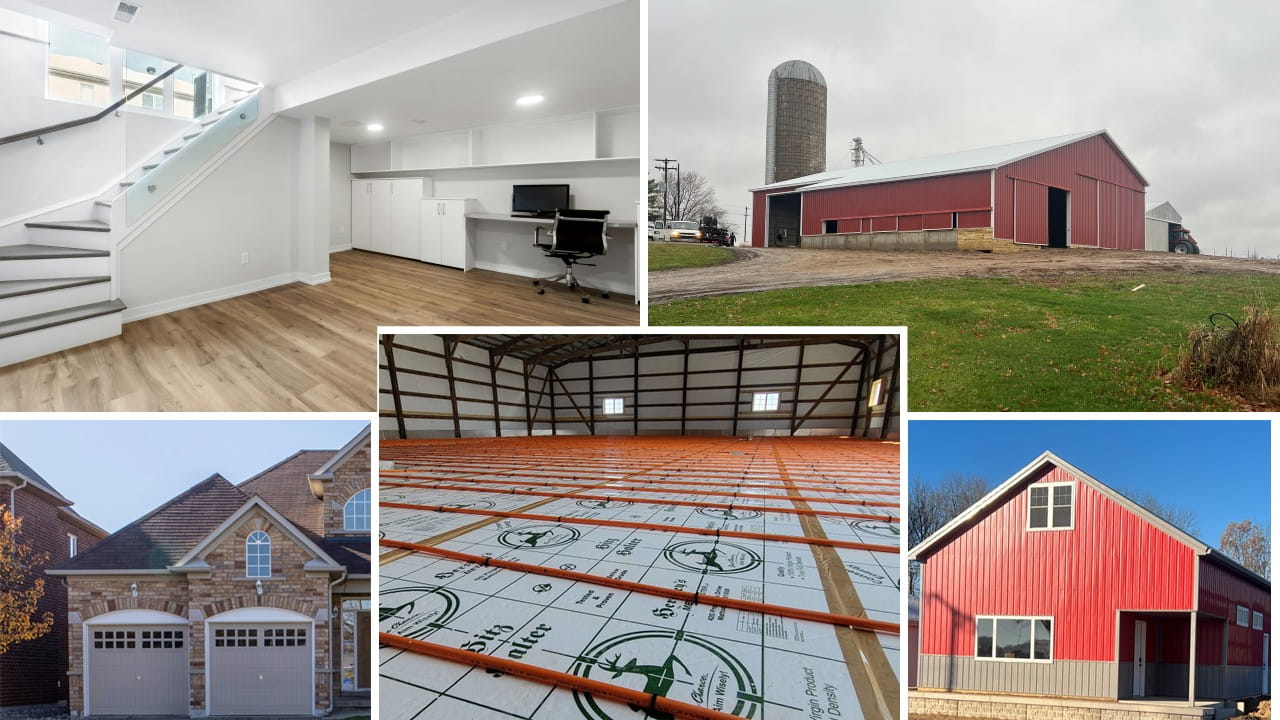
Collage The Right Foundation Section (1)

Garage vs. Workshop: Matching Garage Floor Insulation to How You’ll Use the Space

  • Unheated storage garage: Garage floor insulation still helps reduce condensation and moderates temperature swings, protecting stored vehicles and equipment.
  • Heated garage or hobby space: Garage floor insulation is essential here — without it, a significant share of your heating energy is lost directly into the ground, and the system will struggle to keep the space comfortable.
  • Heated workshop with radiant floor heat: This is where garage floor insulation has the largest impact. If your workshop will also handle heavier equipment or vehicle storage, see our Pole Barn Insulation page for load-rated product options, or our Radiant Floor Heating Insulation page for thickness guidance specific to radiant systems.

Recommended Thickness & Product Features for Garage Floor Insulations

Michigan Foam Board supplies Lexar® EPS fanfold foam board for garage floor insulation, available in a range of thicknesses (Lexar’s standard fanfold thickness is 2″, with options from 3/8″ up to 2-3/8″). For most garage slab applications, contractors typically move toward the higher end of that range for better long-term thermal performance — but the right thickness depends on whether the space will be heated, your target R-value, and local code requirements. (We’ll confirm exact R-value-per-thickness figures once we have your current Lexar spec sheet — placeholder for verification.)

Every Lexar board we supply includes:

  • Factory-laminated poly film on both sides — acts as the vapor barrier, so a separate poly sheet usually isn’t needed
  • 6-inch printed layout grid — speeds up rebar and mesh placement
  • Preventol® termite protection option — relevant in areas of Michigan where subterranean termites are a known issue
  • Virgin EPS construction — no regrind or recycled content, for consistent density and long-term performance
  • 4’×24′ fanfold panels — fewer seams and less taping than standard 4’×8′ sheets, which speeds up installation on garage-sized slabs
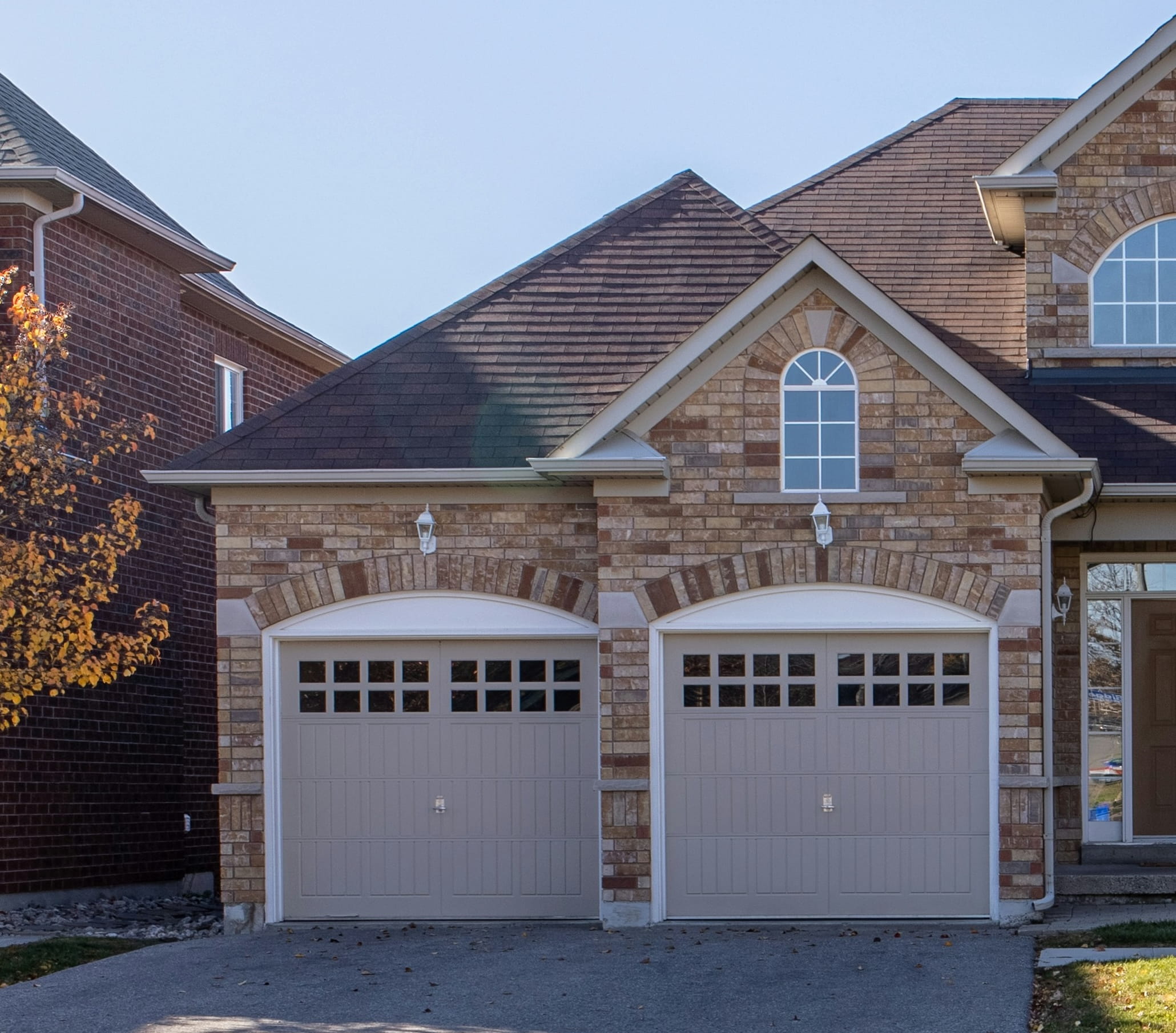
garage floor insulation in Michigan

What Garage Floor Insulation Installation Looks Like

Garage floor insulation goes down over your prepared sub-base, before rebar/mesh and concrete. The integrated vapor barrier faces up, seams get taped, and the board is trimmed to fit around drains, footings, and slab edges. Because it’s installed before the pour, this is a step your concrete contractor plans for from the start of the project — it’s worth confirming insulation thickness and layout with them (or with us) before your pour date is scheduled.

Serving Garage Projects Across Michigan

Michigan Foam Board supplies contractors, builders, and homeowners statewide — from Metro Detroit and West Michigan to Mid-Michigan, Northern Michigan, and the Upper Peninsula. Whatever your garage project looks like, we’ll help you choose the right thickness and get product to your job site.

Frequently Asked Questions

Do I need to insulate a garage slab in Michigan?
If the garage will be heated, used as a workshop, or parked in year-round, insulating under the slab is strongly recommended. Michigan’s frost depth (roughly 42–60+ inches depending on region) means an uninsulated slab loses heat into the ground continuously through the winter.
What thickness of foam board is recommended for a garage floor?
It depends on whether the space is heated and your target R-value. Lexar EPS board is available from 3/8″ up to 2-3/8″ thick, with 2″ as the standard. Contact us with your project details and we’ll recommend the right thickness.
Can foam board be used under a heated garage floor?
Yes — insulating under a heated slab (including radiant floor heat) is one of the most important applications for rigid foam board, since it keeps heat directed into the space rather than lost into the ground.
Does garage slab insulation help with condensation?
Yes. By moderating the slab’s temperature relative to the air above it, insulation reduces the temperature differential that causes condensation on the floor and on stored items.
Do I need a separate vapor barrier with Lexar foam board?
No — Lexar board includes a factory-laminated poly film on both sides that serves as the vapor barrier in most slab applications, eliminating the need to source and install one separately.